
Tag: forgiveness

The Difference

Photo by Pixabay on Pexels.com

What separates believers from the rest of the world? What is the difference between us, and those who remain condemned in their sin?

In Psalm 5, King David discusses how God hates sin and evil. He discusses how God takes no pleasure in wickedness and cannot let evil dwell with Him. Ultimately, David references how the wicked and evil will be destroyed.

Yet, David himself admitted in Psalm 51 that “I was shapen in iniquity and in sin did my mother conceive me.”

How does a man, who readily admits his own sin, expect to be spared the destruction that God will pour out on sinners?

He discusses it in Psalm 5. He opens by saying “Give ear to my words, O Lord, consider my meditation. Hearken unto the voice of my cry, my King, and my God: for unto thee will I pray. My voice shalt thou hear in the morning, O Lord; in the morning will I direct my prayer unto thee, and will look up.”

David expresses faith that the Lord hears his prayers because David lifts those prayers up daily, beginning with his morning prayers. Despite the fact that David dwells in a dark and sinful land, he will look up to the Lord and pray to him.

David goes on to say in verses 7-8, “But as for me, I will come into thy house in the multitude of thy mercy: and in thy fear will I worship toward thy holy temple. Lead me, O Lord, in thy righteousness because of mine enemies; make thy way straight before my face.”

The reason David expects to be spared from the judgment and wrath of God is because he is placing himself at the mercy of God, and worshipping God for His goodness and righteousness. He then begs the Lord to lead him in righteousness.

What separated David from the rest of the sinful world is that he recognized his sinfulness, confessed it to God, then placed himself at God’s mercy. God responds to that, and David knew he could trust in the Lord’s mercy.

What separates the saints from the sinners has nothing to do with societal standing, wealth, intelligence, or heritage. The saints are merely the sinners who realized their sinfulness, confessed it to God, then stepped out of that darkness and into the light by placing themselves at the Lord’s mercy.

The saints are the sinners who trusted the Lord’s mercy and grace, and believe in His righteousness and holiness. The saints are the sinners who trust the Lord has forgiven their sin, and will transform them into the people that He intended on them being.

The saints are the sinners who looked to Jesus on the cross and saw salvation and redemption. They are the ones who look forward to the Lord’s return, and who look forward to exiting this life in favor of the next.

We’re not spared God’s wrath and judgment because we’re “just better people.” And we’re not looking forward to the mansions in heaven because “we’ve earned it.” We are merely sinners who placed ourselves at God’s mercy, knowing and trusting that God rewards those who do.

That is the difference.
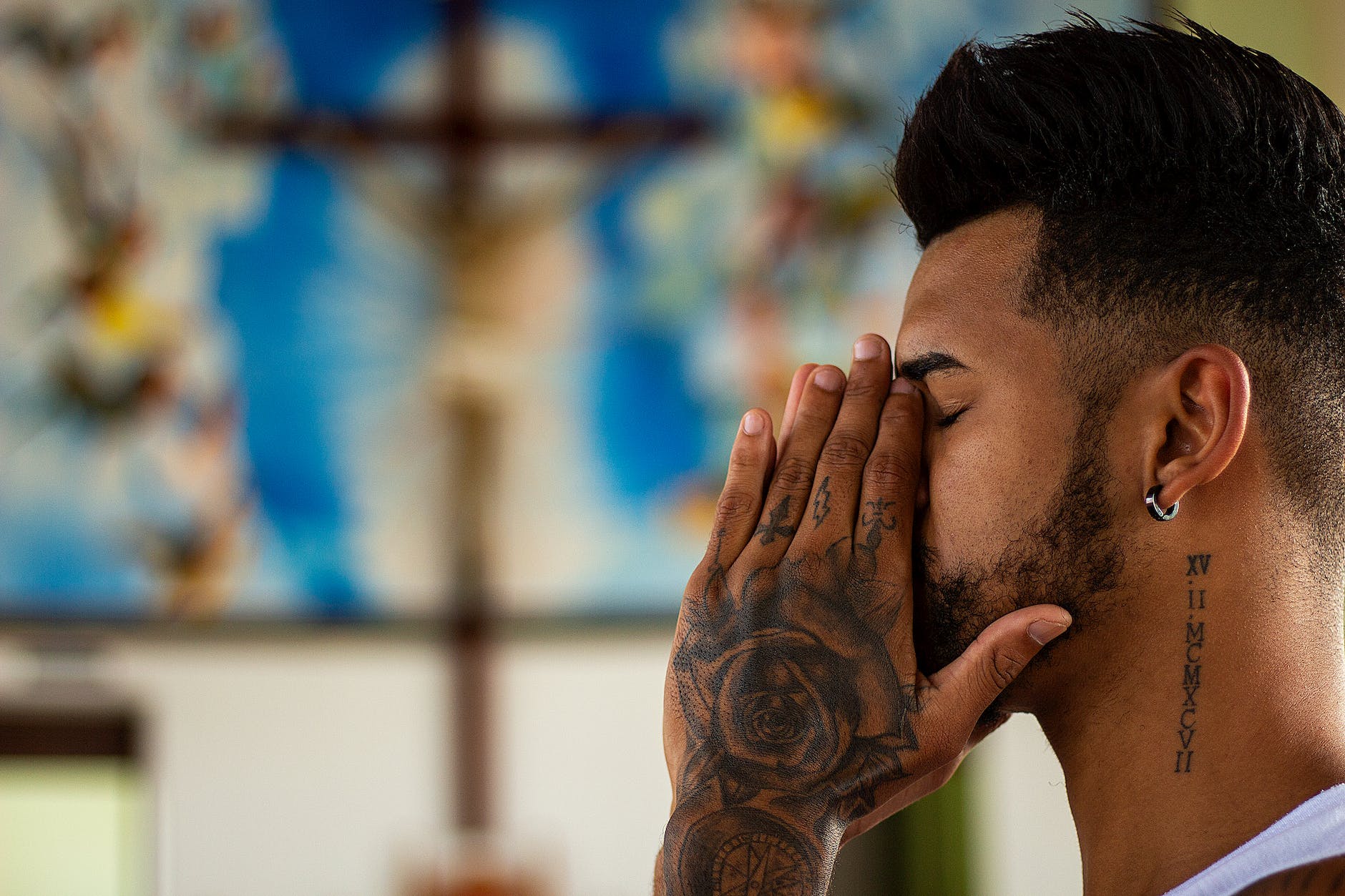
Confession to God

Photo by Ric Rodrigues on Pexels.com

Adam stood before the Lord guilty of breaking God’s one rule of the garden, he had eaten of the tree of knowledge of good and evil. Adam’s explanation? “The woman you gave to be with me gave me the fruit, and so I ate.”

David was confronted by Nathan the prophet after having an affair with the wife of one of his best soldiers before having that soldier killed to cover his sin. David’s response to being confronted with his sin? “Against thee, thee only have I sinned: and done this evil in thy sight…. Behold, I was shapen in iniquity and in sin did my mother conceive me.” (Psalm 51)

Which of these two men from the Old Testament offered God a true confession? If you answered David, you would be correct.

As we discussed in our previous post on confession, confession moves beyond an acknowledgement of one’s own action and admits fault, being transparent in one’s motivations and belief and placing one’s self at the mercy of another. Our previous exploration of the topic of confession was framed in the context of confessing our faults and struggles to each other, so that we can pray for one another, minister to one another, and be healed.

In this post, we will discover how this level of confession toward God not only brings forgiveness of sin, but also brings reconciliation to God and healing from the sin that has plagued one’s life. 1 John 1:9 says “If we confess our sins, He is faithful and just to forgive us our sins, and to cleanse us from all unrighteousness.”

According to 1 John, confession is the key that unlocks God’s forgiveness, cleansing, and thus healing. Denying sin, downplaying sin, or acknowledging the action without confessing that it is sin leads to a life marked by continued darkness, isolation and destruction. To deny sin is to call God a liar, which is the ultimate blasphemy, since lies are the hallmark of Satan.

Confession to God is made through one’s own prayer life, and while one may choose to confess their sin to their pastor, one has not truly confessed to God until one has approached God directly in prayer.

One of the great examples of confession in the Bible is the afore-mentioned Psalm 51. In it, David goes beyond confessing to his sins of adultery with Bathsheba and the subsequent murder of her husband. In fact, he does not even mention it. Rather, he focuses his confession on the very darkness within his own soul, and within his own heart that led to the sin.

In essence, David’s confession was not about the action, but rather the heart that birthed the action. His confession is like bypassing the symptoms in order to treat the disease itself.

In his Psalm 51 confession, David mentions that he is, at his core, a sinner. He then pleads with God to cleanse him, to create in him a clean heart, and to restore the joy of his salvation while restoring the fellowship he and God once enjoyed.

This level of confession is the mark of true repentance, to which God responds every time.

Another great example of confession in the Bible is Paul’s confession in Romans 7:15-25, where Paul confesses that no good thing dwells within him, therefore he is predisposed to rebelling against God’s law and leadership in his life. His confession is that he needs Christ to rescue him from the body of that death and to enable him to serve the Lord (Romans 7:24-25).

In Paul’s confession, we see the sinner move beyond confession and repentance and toward faith, as Paul’s only option is to trust the Lord.

Most people live life defeated. We sin, we face the consequence of sin, we promise God to never do that sin again if he will rescue us from the consequence, and then we go on and sin again. In this vicious cycle, we never confess what’s truly in our heart. In fact, we often deny it.

Furthermore, we never stop to consider the sin within our heart, and what it would take to be cleansed from that sin, if we even desire cleansing at all.

By stopping, assessing the sin within us, and confessing that sin to God, we can not only identify the cause of our destructive behavior, we can truly turn from it and allow God to heal that brokenness within us. Anything short of this is an exercise in futility.

With all this in mind, what will you confess to God today?